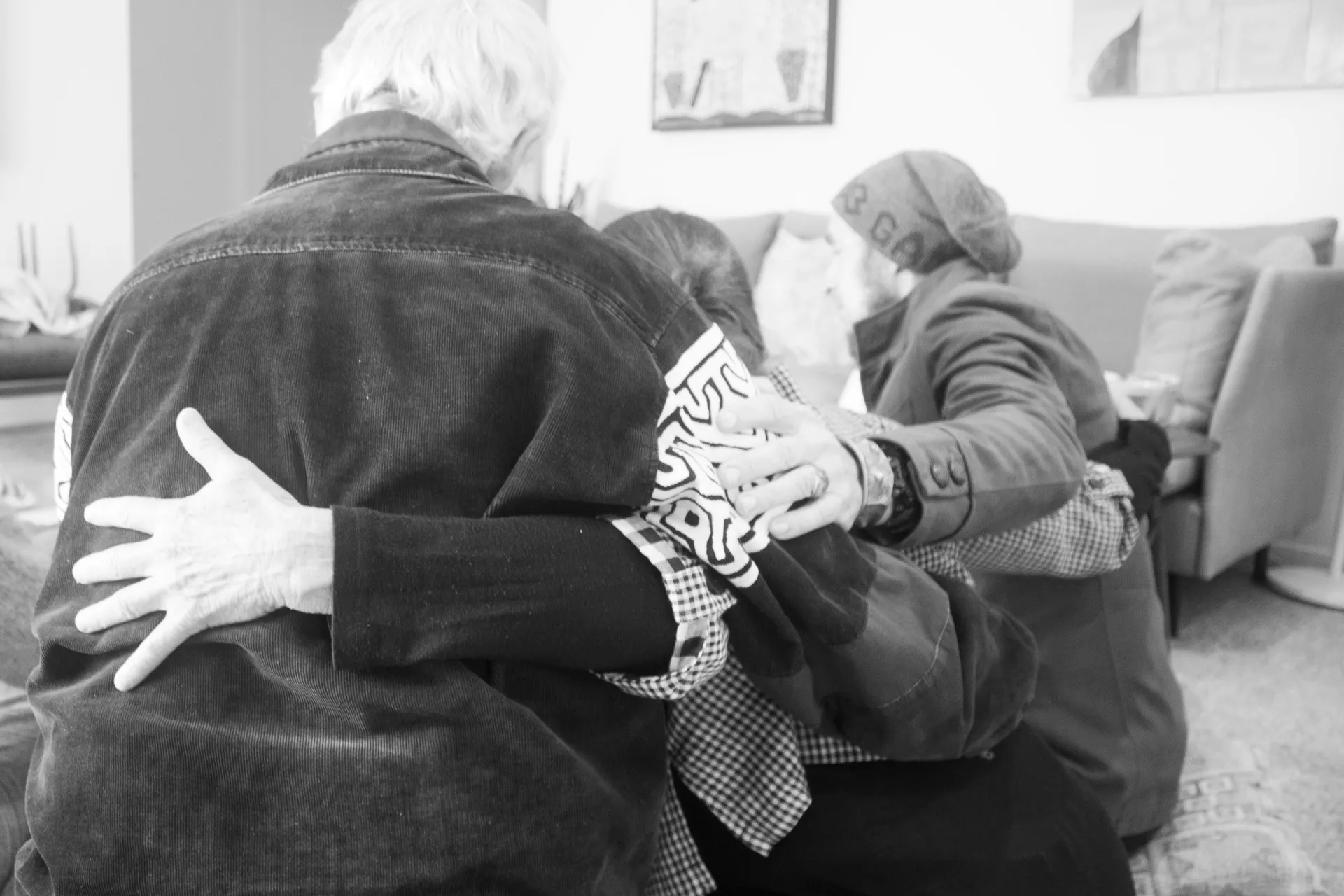
What is emotional hygiene?
Emotional hygiene is a daily practice: the process that tends to your feelings, hurts and wounds before they expand to your tipping point, the limit of your capacity. The idea is not to make this another thing to strive for perfection in, or to control the emotion. Instead to accept and feel all of the emotions, knowing they will in fact pass, and that you do in fact have the capacity to feel it all, and tend to your needs. There are many practices of emotional hygiene. Practised daily, it can interrupt patterns of reactivity. An empathy session with one of our practitioners is one way you can tend to your emotional body. Read to the end for more suggestions, as well as a free guided meditation.
“It’s not about the …”
Have you heard the saying “It’s not about the …” (the dishes, the socks, the toilet roll…)?
You are happily cruising along in life, when you notice yourself getting a little bit more reactive or frustrated about some small things. You didn’t like it when someone pulled out in front of you when you were driving, or annoyed about the way that the toilet paper hangs on the toilet roll. You might be noticing these feelings and then telling yourself NOT to feel whatever you feel about that thing.
And so you carry on, but then one day something small is the tipping point, and all the feelings burst front and centre, unable to be ignored any longer.
Meet the jackal: the voice of judgement
Let’s apply the practice of emotional hygiene in daily life from a Nonviolent Communication (NVC), empathetic lens. It’s a process of leaning into whatever is grating on you, even when (especially when!) it’s something ‘little’ to identify the needs underneath.
In the “It’s not about the…” example, it could go like this. You see the socks lying on the floor in the bathroom, RIGHT NEXT TO THE LAUNDRY. You could experience some thoughts, such as “Why are the socks there? The laundry is right there!”
In Nonviolent Communication this is called the jackal: the voice that has something to say that is the habitual, critical, judgemental lens way of seeing the world. Such as, “Don’t they see how much I have on my plate? Why are they trying to make it harder for me? Why do I always have to be the one who puts the socks in the wash?!”
Have you experienced inner dialogue like this, or something similar?

NVC starts with me

In Nonviolent Communication there is a saying that “NVC starts with me”.
This does not mean that you have to be the one to always empathise, or “rise above”, or skip over what you are feeling to understand someone else. This means it starts with me, with empathising with self. Self-connection.
You can start with making some objective observations. The socks are on the floor. Simple, no other stories about why they are there.
Because the jackal in this dialogue is giving you some very important information, you are needing something. The jackal as a doorway to self-connection. How am I in this moment? What am I needing?
This could look like: “Wow, I am really tired. I see those socks and I feel really annoyed. And I matter. How I feel matters. I am needing some support right now.”
Our founder Jess has recorded a free guided meditation to support you in the process of self-connection. Sign up to our newsletter below and we will email you the link. Check your inbox to confirm your email address, and the meditation link will follow.
It is after self connection that we can start to tune into how someone else is feeling if that is needed and can support understanding. Often it then comes from a much more natural open way of being.
Why being heard is so powerful
Have you experienced the feeling of being completely emptied out in the best way because you have been heard? When a topic you didn’t think was bothering you much, like the socks not in the laundry, but then you have time with someone you trust to explore it further, and you realise the layers that are underneath the simplest thing?
This is why empathy is so powerful. In a free session with an empathy practitioner, they hold space for this process, for this inner world to be explored, to acknowledge and feel how you feel, without any shoulds. Because it’s not about the socks.
Finding the need underneath
In that moment, a tender and important need wasn’t being met. Maybe when you saw the socks there, you took it to mean that someone wasn’t appreciating your contribution.
The need underneath could have been to feel seen for all that you do contribute to the household. To be appreciated and acknowledged. It could have been for rest, or to be cared for…
Respond instead of react
Emotional hygiene is a powerful and important ongoing maintenance care for the being. Feeling heard creates inner space to be able to notice your inner landscape and choose to respond rather than react. So that you can make that request in that moment, or have the capacity to realise what you need.
That is when change can happen. You don’t have to keep going, or pushing through. Your needs matter. As do the needs of every single person on the planet!
Other ways to tend to your emotional hygiene daily
Other ways you can tend to your emotional hygiene daily could be:
- journaling
- prioritising rest and nourishment
- time alone
- time with friends
- walking in nature
- healthy expression of your needs in the moment
Book a free listening session
You don’t need to be at your tipping point, or at capacity and really needing support, to have an empathy session. Book your free, confidential listening session with one of our empathy practitioners to tend to your emotional hygiene today.

Related Posts


Free Empathy Sessions in New Zealand: What Happens When You’re Truly Heard
Nothing to fix, nothing to change. Just an hour of being truly heard, free, on…